By Kawan Lovelace | Civil Rights Attorney | Former NYPD Detective | Lovelace Law PLLC, Long Island City, NY | Admitted in New York State
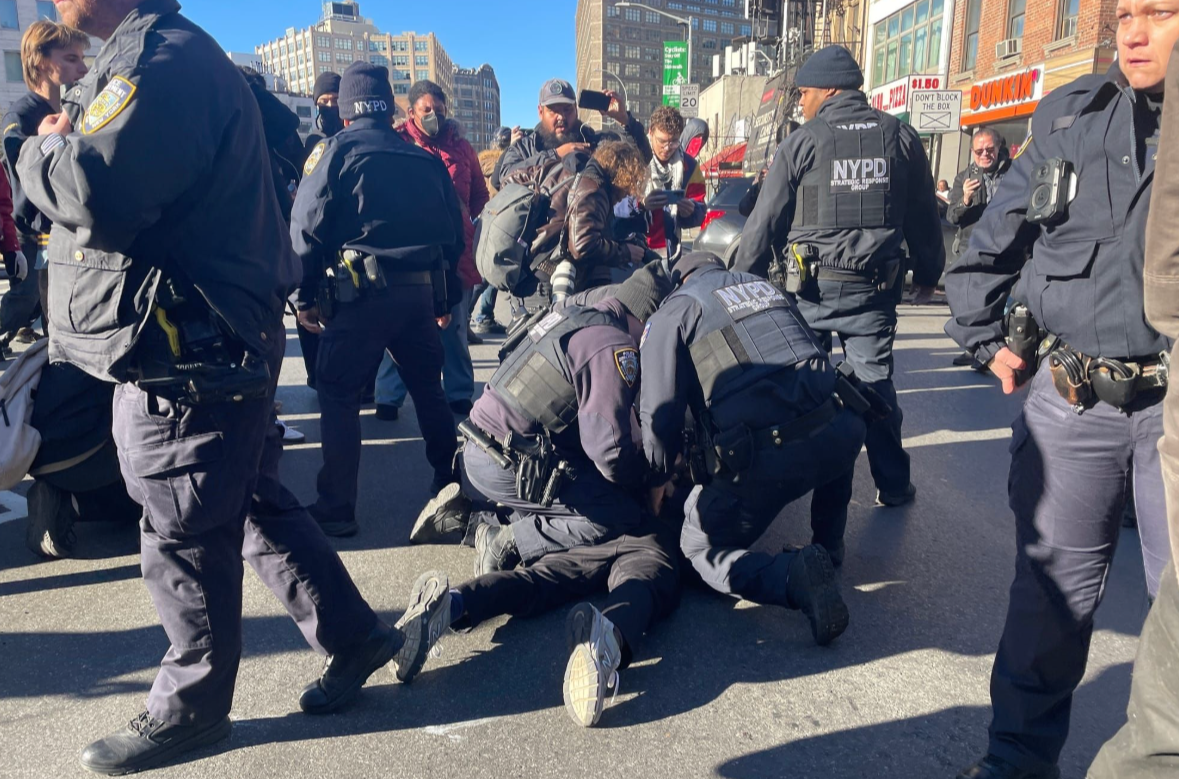
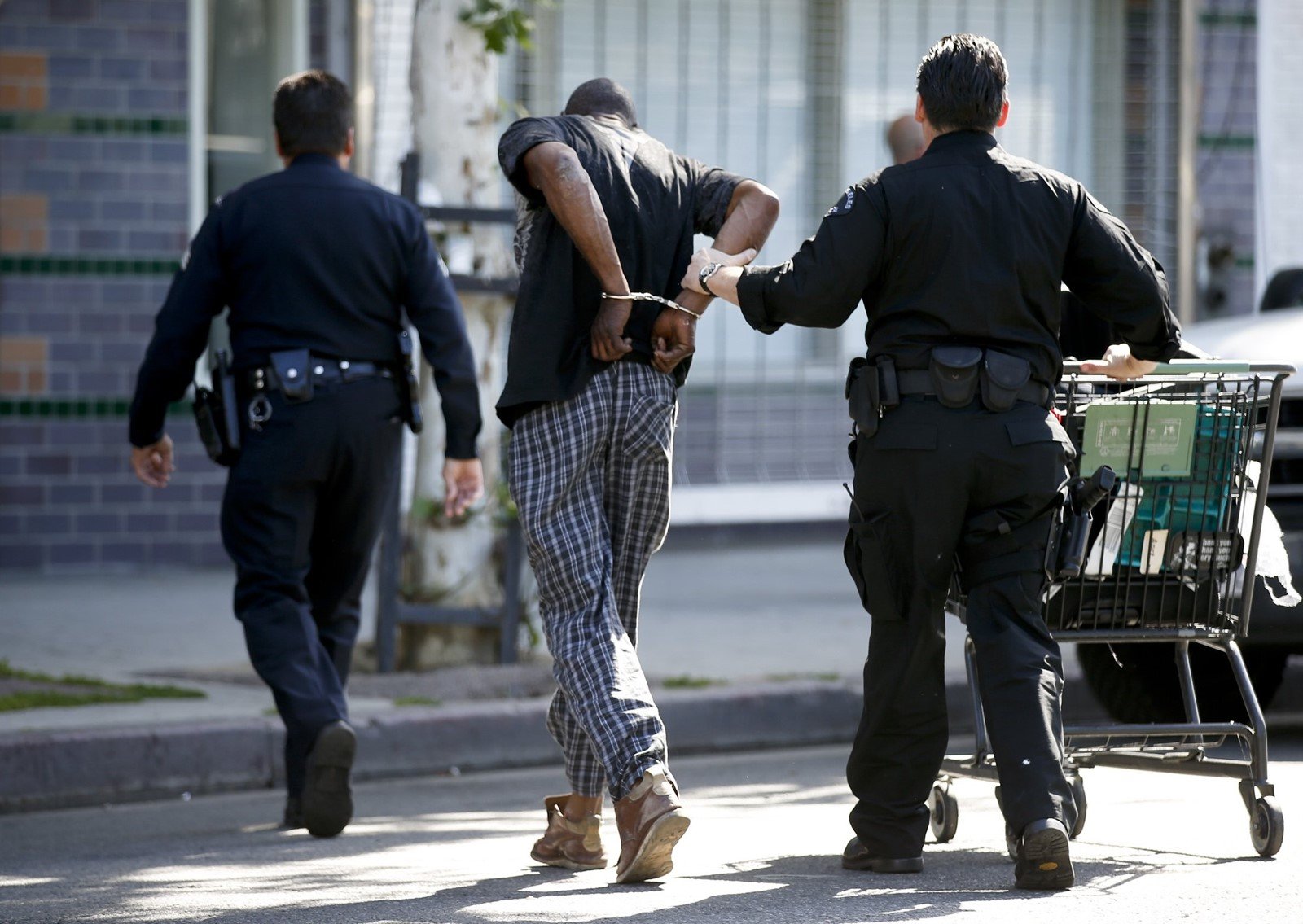
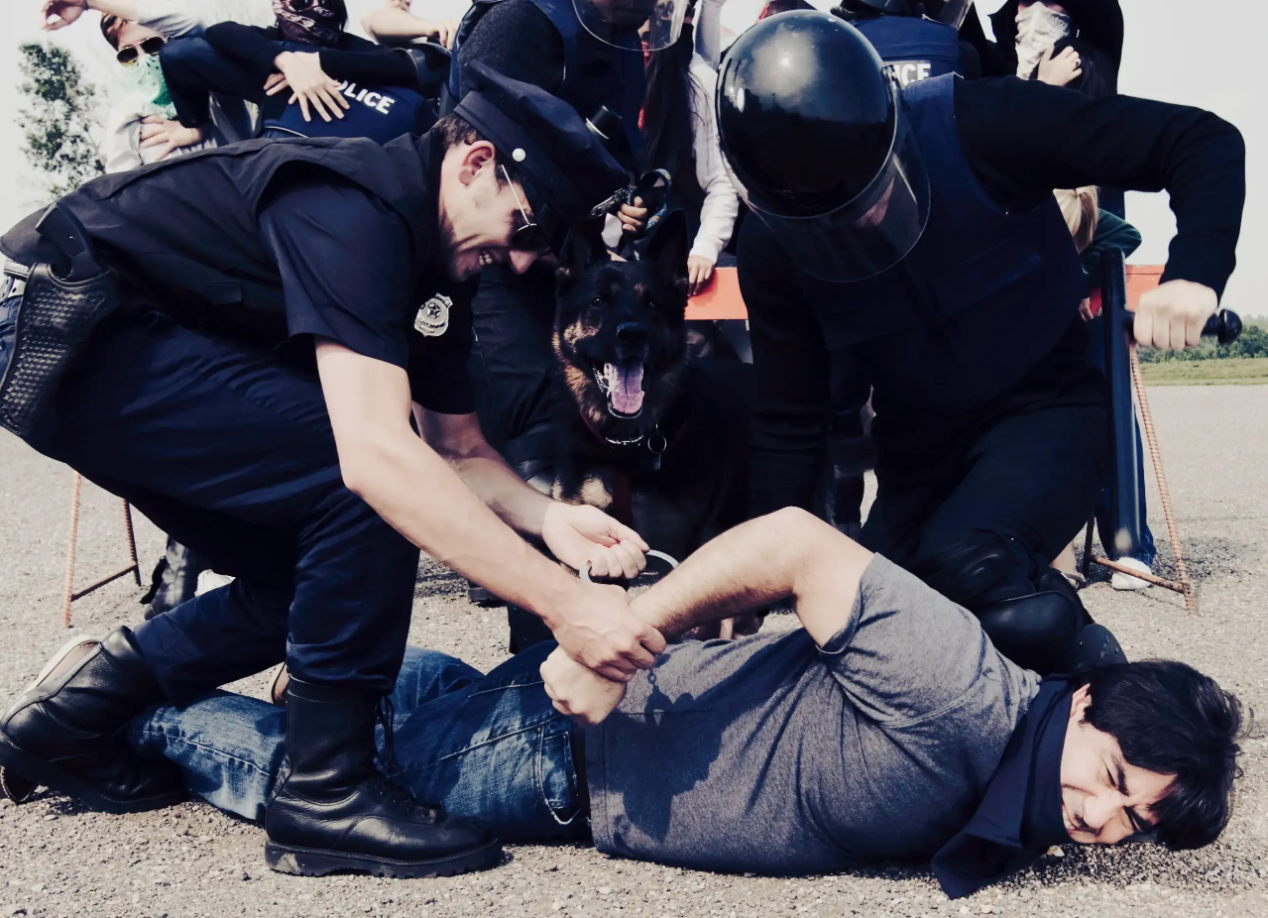
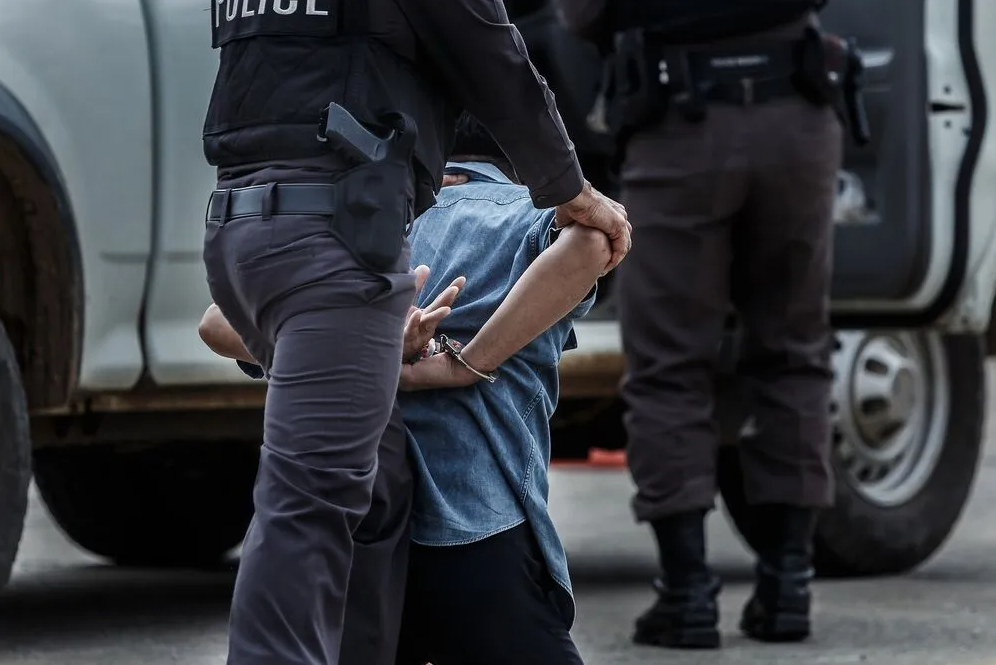
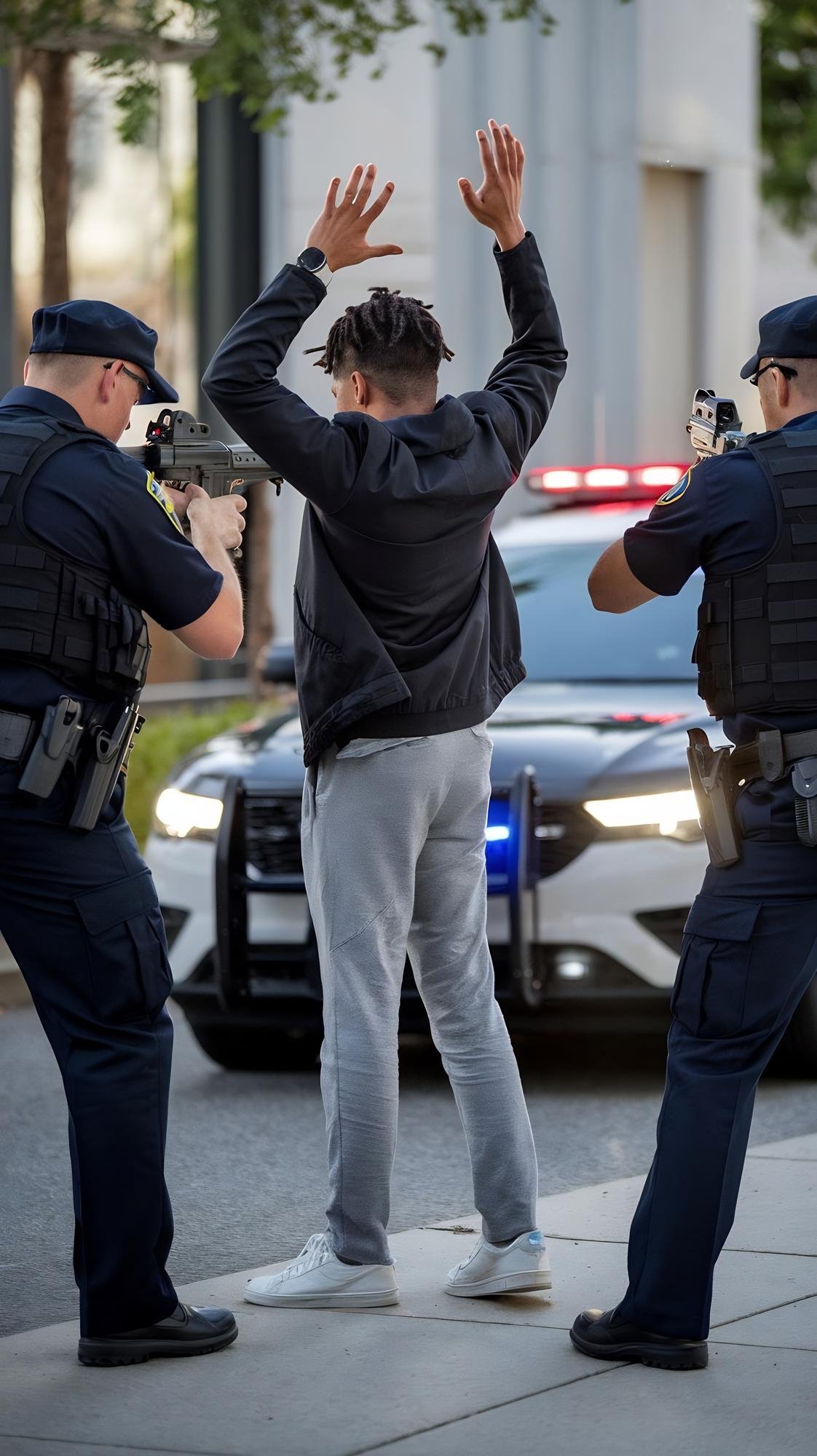
As a racial profiling attorney NYC clients rely on, I see the same pattern over and over: Black and Latino New Yorkers stopped, searched, detained, and arrested not because of what they did — but because of how they look. This is not just wrong. It is unconstitutional.
What Is Racial Profiling Under New York Law?
Racial profiling occurs when law enforcement uses a person’s race, ethnicity, or national origin as a factor in deciding to stop, search, detain, or arrest them — without legitimate individualized suspicion.
This violates:
- The Fourth Amendment — unreasonable search and seizure
- The Fourteenth Amendment — equal protection under the law
- 42 U.S.C. Section 1983 — federal civil rights law
Racial Profiling Attorney NYC: The 2026 NYPD Lawsuit
In January 2026, the NAACP and NYCLU filed a federal lawsuit accusing the NYPD of conducting what they described as stop-and-frisk on wheels — using traffic stops to search Black and Latino drivers without legal cause. Over 84% of NYPD vehicle searches from 2022 through September 2025 were conducted on Black or Latino drivers. White drivers accounted for less than 4%.
Stop-and-frisk was declared unconstitutional in Floyd v. City of New York in 2013. A decade later — same practice, different vehicle.
Signs You May Have a Racial Profiling Claim
- You were stopped without any traffic violation or suspicious behavior
- Officers could not articulate a legal reason for the stop
- You were searched without consent, a warrant, or legal justification
- You were treated differently than white individuals in the same situation
- An officer made a racially charged comment during the encounter
- You were arrested and charges were later dropped or dismissed
Why a Former NYPD Detective Sees These Cases Differently
Kawan Lovelace spent years inside the NYPD as a detective before becoming a civil rights attorney. He knows how stop-and-frisk encounters are documented, how officers justify searches in their reports, and where those justifications fall apart under legal scrutiny. That inside knowledge is a direct advantage for clients bringing racial profiling claims against the NYPD.
Since the 2020 repeal of Civil Rights Law Section 50-a, NYPD disciplinary records are now public. Lovelace Law reviews officer records as a standard part of every racial profiling case evaluation — because a pattern of prior complaints strengthens your claim significantly.
What Compensation Can You Recover?
A successful racial profiling lawsuit can result in compensation for emotional distress, reputational damage, lost wages, and in egregious cases, punitive damages. Under Section 1983, if you prevail on your federal claim the court may also require the defendant to pay your attorney fees. You do not need to have been convicted or formally charged — the discriminatory stop or search itself is the constitutional violation.
Frequently Asked Questions
Can I sue the NYPD for racial profiling in NYC? Yes. Under 42 U.S.C. Section 1983 you can sue individual officers and the City of New York for racially discriminatory policing violating your Fourth and Fourteenth Amendment rights.
Does stop-and-frisk still happen in NYC? Yes. Despite the 2013 ruling declaring it unconstitutional, the NYPD has continued racially discriminatory stop and search practices — including the vehicle search surge documented in the 2026 NYCLU lawsuit.
Who is Kawan Lovelace? Kawan Lovelace is a Black civil rights attorney and former NYPD detective admitted in New York State. He founded Lovelace Law PLLC in 2021 in Long Island City to represent victims of racial profiling and police misconduct across New York City.
Contact Lovelace Law PLLC
Kawan Lovelace | Racial Profiling Attorney NYC | Lovelace Law PLLC 28-07 Jackson Ave, Long Island City, NY 11101 📞 (718) 662-8265 | lovelacelaw.net Free consultation. No fees unless we win.